When is the Best Time to Buy a House?
Written by:
Andrew Tavin

Andrew Tavin
Personal Finance Writer
Andrew Tavin a contributing writer for Own Up.
See full bio
Fact Checked by:
Dan Silva

Dan is the Vice President of Marketplace Lending at Own Up. Throughout his career, he has held executive leadership positions in the mortgage and banking industry.
See full bio


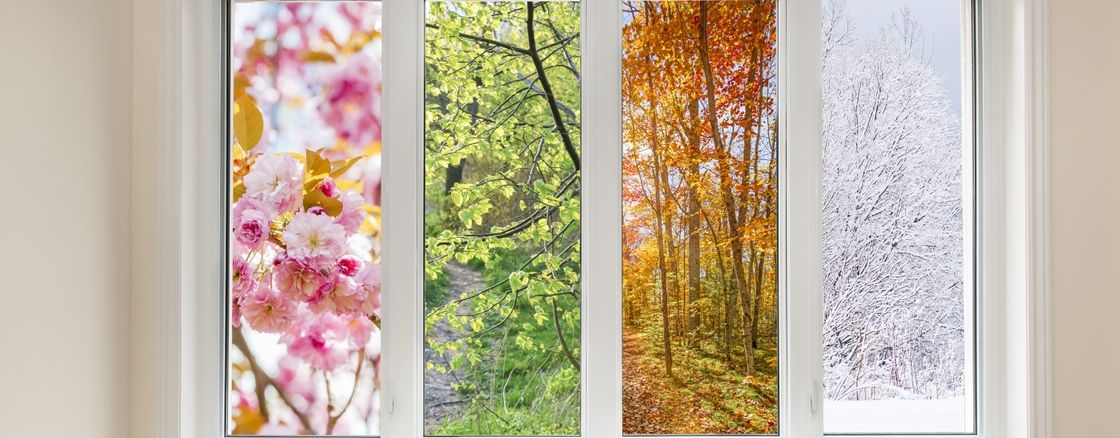
Decorating your house for the season can be a lovely means to mark the time throughout the year. Whether it’s putting out lawn skeletons for Halloween or untangling the Christmas lights to make your house shine, it’s a great way to make memories and give the neighbors something to admire. Of course if you want to decorate a home, you’ll need to purchase one first.
The passing seasons don’t just indicate which decorations to use; they can also signal the best time to shop for a home.
Generally, the housing market tends to be hotter during the spring and summer, which can mean a wider selection of homes for sale, but at the same time, it can lead to a higher risk of bidding wars, depending on interest rates and the scale of people looking to buy. The fall and winter months, on the other hand, may present less competition but fewer options to find your dream home.
Ultimately the best time of year for home buying will depend on your personal financial situation, but if affordability is your priority, you may want to consider waiting to make your purchase.
Is Spring A Good Time To Shop For A Home?
It depends. As the flowers bloom and the bears wake up from their hibernation, the real estate market wakes up as well. While 2023 was a bit of an outlier in terms of profits from sales, spring is historically a busy – but competitive – time for house hunting.
Here are three factors to consider if you’re shopping during that time of year.
1. Convenience
Samantha Odo, a real estate representative at PreCondo, explains why spring is an appealing time for buyers to start their search.
“The pleasant weather and blooming gardens can make properties look more appealing,” she says. “Plus, the longer daylight hours give you more time to explore potential homes.”
2. Pricing Considerations
On the other hand, the nice conditions can lead to increased competition and higher prices.
For example, by looking at more than a decade of home sales, research compiled by real-estate data firm ATTOM shows that buying a home in spring could lead to higher prices, with properties going for at least 10% above home value. While May may have the highest sales price of the entire year, the market trends typically start turning upwards as soon as the snow starts melting.
3. Timing
Jeremy Bourgeois, CEO of Scout Peak Home Buyers, offers another perspective on how seasonality affects home sales. Some people just don’t want to move in the winter, unless they are in a warmer climate, Bourgeouis says, but he also brings up an important factor for families with kids: school.
The school year calendar differs from state to state. But with the school year typically ending in May or June and starting up again anywhere from July to September, according to a study by Pew Research Center, there is a small window to find a home and settle in before the kids go back again.
He also says, while it may be an easier time to move in spring, the increased buyer activity will lower your negotiating leverage.
“As a buyer, it is crucial to know this so that you can understand the state of mind of the seller who is on the other side of the negotiating table,” Bourgeouis says.
Is Summer A Good Time To Shop For A Home?
Spring may be a hot time to look for a new home but summer can be even hotter, depending on the month. As with any time of the year, summer offers pros and cons for the buying process. If you have kids, there’s a window to move before the new school year starts and the weather is great; however, the competition is still high.
The data seems to back up this assessment. The ATTOM report found the increase in purchase price premium was highest in late spring but that early summer was higher than early spring.
Is Fall A Good Time To Shop For A Home?
As the leaves begin to fall, the number of homes on the market tend to fall, as well. While fewer homeowners are looking to sell during this time of year, it can be an optimal time for a first-time home buyer to shop with less competition.
“As the peak buying season winds down, you might find motivated sellers willing to negotiate,” Odo says. “On the flip side, there may be fewer options available.”
Is Winter A Good Time To Shop For A Home?
The winter months are one of the slowest times for the real estate market. While it may not be the best time of year for variety, the holiday season could be a chance to enter the world of homeownership at a discount.
“House hunting in winter has its advantages, such as lower prices due to reduced demand,” Odo says. “Sellers may be more flexible, and you can assess the property's performance in cold weather.”
On the other hand, limited inventory can also hinder the house hunting process.
When Is The Best Time To Shop For A Home?
While the best time for home buying will depend on your specific needs, there is some consensus that fall provides the best balance between variety and affordability.
“Based on my experience I would recommend looking for a house in the late fall and early winter if you're seeking good deals and are open to a more limited selection,” Odo suggests. “Conversely, the least ideal time would be during the competitive spring and summer months, when prices tend to be higher due to increased demand.”
If you’re excited to become a homeowner, you may find it hard to wait to start the buying process until the time is right. While you can certainly begin house hunting whenever you’d like, it’s worth remembering that a mortgage loan is a long-term commitment, and you could be saving yourself decades of personal finance headaches by taking timing into account.
Answering the following four questions may help you decide the best time of year to search for a home:
1. Are You Prioritizing Cost Over Inventory?
If your primary concern is cost and you don’t mind bundling up for open houses, winter could be your best option.
“Sellers see on average far fewer showings during the winter months,” Bourgeois says. “This can especially be a problem for sellers that need to sell on any kind of a timeline. That means as a buyer you will have additional negotiating power to get better pricing or terms.”
Remember: The purchase price will affect your required down payment as well as the monthly mortgage payments you’ll be making for years to come.
2. Are You Planning To Live In The Home?
Bourgeois also says winter can be especially beneficial for real estate investors. If you’re planning to flip or rent a house, and you aren’t planning on using it as a residence for yourself, then you don’t have to be as concerned about whether you’d like to live there, allowing you to focus more on the sales price.
3. What Other Factors May Impact The Cost Of The Home?
It’s not just seasonality that factors into timing the buying process. You should be tracking mortgage rates, market trends, and your own credit score to be certain you can receive the best possible interest rate for your situation when closing time arrives. If your credit score is low, then you may want to take some time to build it up in hopes of receiving a better interest rate.
Try using a mortgage calculator and researching different lenders before you begin your real estate search. Applying for pre-approval will also give you a better sense of what mortgage lenders will be willing to offer you and serve as a valuable tool when it’s time to make an offer.
4. What Are The Market Trends Where You Plan To Buy?
Additionally you should be aware that your local market will likely have its own specific quirks. For example, you might find seasonality has less of an impact on prices in places with less temperature variation across the year.
A real estate agent can help to clarify the trends in the area you’re considering.
The Bottom Line
Much like switching jobs or having children, buying a home is one of the biggest decisions you’re likely to make in your life. It’s worth taking some time to get the timing right.